
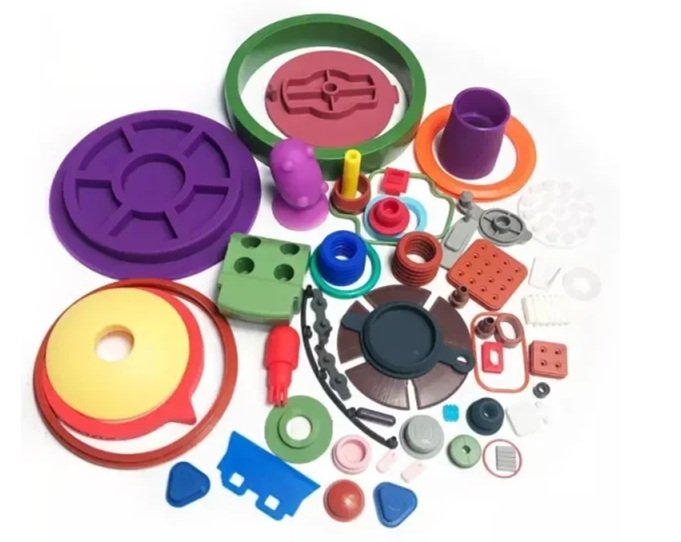
Silicone has become a go-to material for industries requiring precision, flexibility, and durability. From medical devices to automotive components, custom silicone parts and silicone rubber parts are reshaping manufacturing standards. This article explores the applications, benefits, and manufacturing processes of these versatile materials.
What Are Custom Silicone Parts?
Custom silicone parts are specially designed components made from silicone rubber to meet specific requirements. Unlike standard parts, custom silicone parts are tailored for unique dimensions, hardness, and functional purposes. Businesses across healthcare, electronics, and automotive sectors use them to achieve precise results.
Advantages of Silicone Rubber Parts
Silicone rubber parts offer unmatched versatility. Key advantages include:
- Excellent heat and cold resistance
- Flexibility and elasticity for complex designs
- Chemical resistance for industrial applications
- Non-toxic and safe for medical or food applications
These features make silicone rubber ideal for parts that demand long-lasting performance in extreme conditions.
Industries Using Custom Silicone Parts
1. Automotive Industry: Silicone rubber parts are widely used in gaskets, seals, and vibration dampeners due to their durability under high temperatures.
2. Medical and Healthcare: Custom silicone parts are critical in devices like catheters, tubing, and prosthetics because they are biocompatible and easy to sterilize.
3. Electronics: Silicone components insulate delicate electronics and protect them from moisture, dust, and temperature fluctuations.
4. Food and Beverage: Food-grade silicone parts are used in baking molds, seals, and tubing due to their non-toxic nature and resistance to extreme temperatures.
Types of Silicone Rubber Parts
Silicone rubber parts come in a variety of forms to suit specific applications:
- Sheets and Strips: Used in gaskets and seals
- O-Rings: Critical in sealing applications
- Tubing and Hoses: For medical and food industries
- Custom Molded Components: Tailored to specific machinery or device requirements
The Manufacturing Process of Custom Silicone Parts
Custom silicone parts are produced using specialized techniques to ensure precision and performance:
1. Injection Molding
Liquid silicone rubber (LSR) is injected into molds under high pressure. This method allows for rapid production of high-quality, uniform parts.
2. Compression Molding
Silicone sheets or preforms are placed in molds and heated under pressure. Compression molding is ideal for simple or medium-complexity parts.
3. Extrusion
Silicone material is forced through a die to create continuous shapes like tubing or profiles. This process is efficient for long parts with consistent cross-sections.
4. Transfer Molding
Silicone is heated and pushed into a closed mold. Transfer molding works well for parts with intricate designs where injection molding may not be ideal.
Material Selection for Custom Silicone Parts
Choosing the right silicone material is crucial. Options vary in hardness, color, temperature resistance, and chemical compatibility. Common types include:
- High-Temperature Silicone: For parts exposed to extreme heat
- Medical-Grade Silicone: Biocompatible and FDA-approved
- Fluorosilicone: Resistant to fuels, oils, and chemicals
Design Considerations for Silicone Rubber Parts
When designing custom silicone parts, several factors must be considered:
- Part geometry and wall thickness
- Required flexibility and compression
- Environmental conditions (temperature, chemicals, UV exposure)
- Compliance with industry standards
Quality Control in Silicone Parts Manufacturing
Quality control ensures reliability and consistency. Methods include:
- Dimensional inspection
- Hardness and tensile testing
- Thermal and chemical resistance tests
- Visual inspection for surface defects
High-quality silicone parts are essential for applications where safety, durability, and precision are critical.
Benefits of Partnering with a Custom Silicone Manufacturer
Working with a professional silicone manufacturer offers several advantages:
- Access to advanced molding technologies
- Expertise in material selection and design
- Faster prototyping and production cycles
- Compliance with industry standards for medical, food, and industrial use
Future Trends in Silicone Rubber Parts
The demand for silicone parts is expected to grow, driven by:
- Advancements in wearable medical devices
- Electric vehicle (EV) and battery components
- Food safety and hygiene applications
- Eco-friendly and recyclable silicone materials
Innovation in silicone materials and molding processes continues to expand the possibilities for industries worldwide.
Conclusion
Custom silicone parts and silicone rubber parts play a crucial role in modern manufacturing. Their versatility, durability, and adaptability make them essential across multiple industries. By understanding the types, manufacturing processes, and material choices, businesses can leverage these components to create precise, high-performance solutions.
Silicone’s unique properties ensure it remains a top choice for engineers and designers looking to develop next-generation products that demand flexibility, reliability, and longevity.
